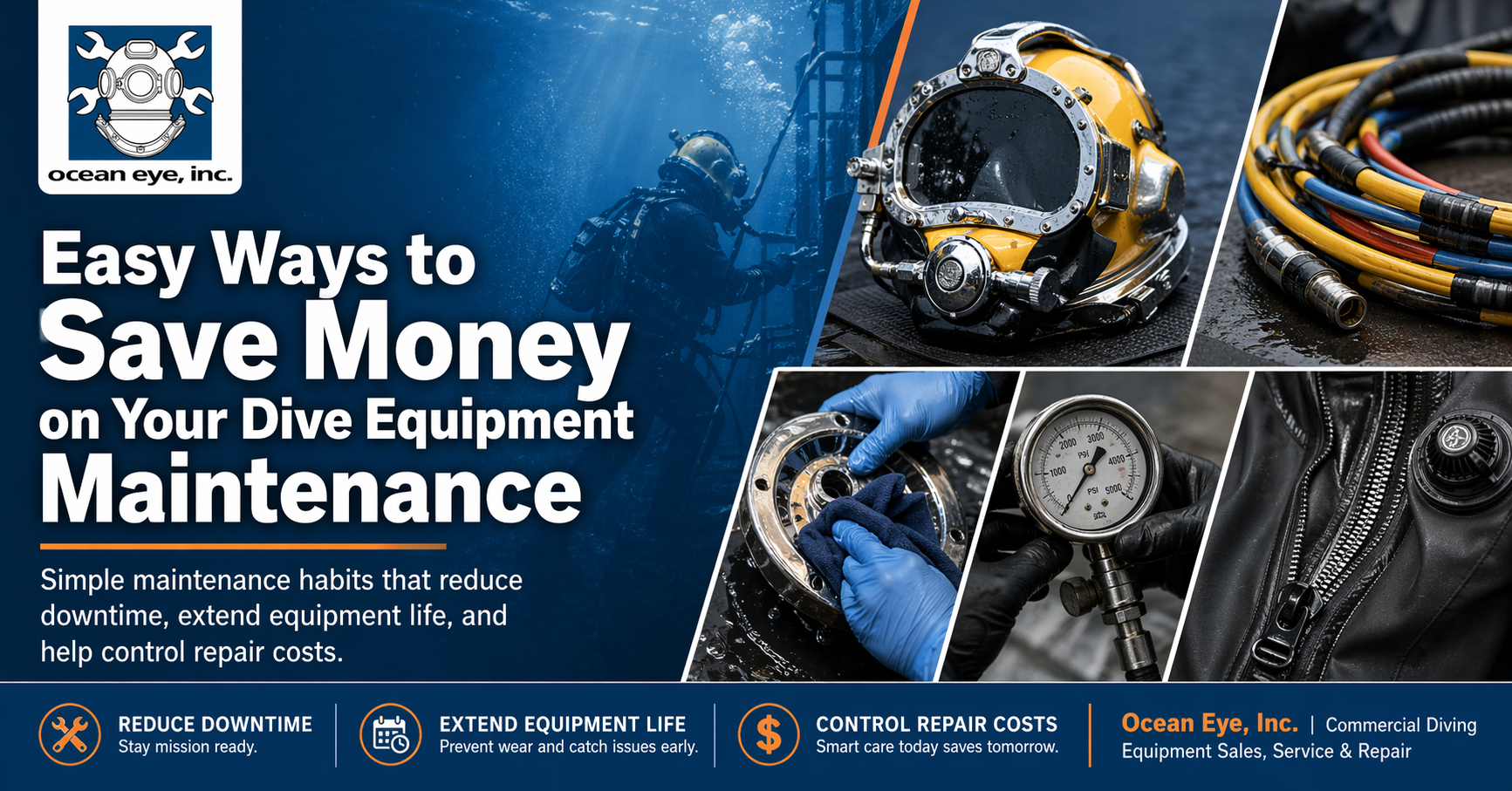
Commercial diving equipment is a major investment, and repairs can add up quickly. The good news is that a few simple maintenance habits can help extend the life of your gear, reduce repair costs, and keep your equipment ready for work.
Here are a few practical ways to save money on dive equipment maintenance while helping keep your gear in top condition.
Helmets
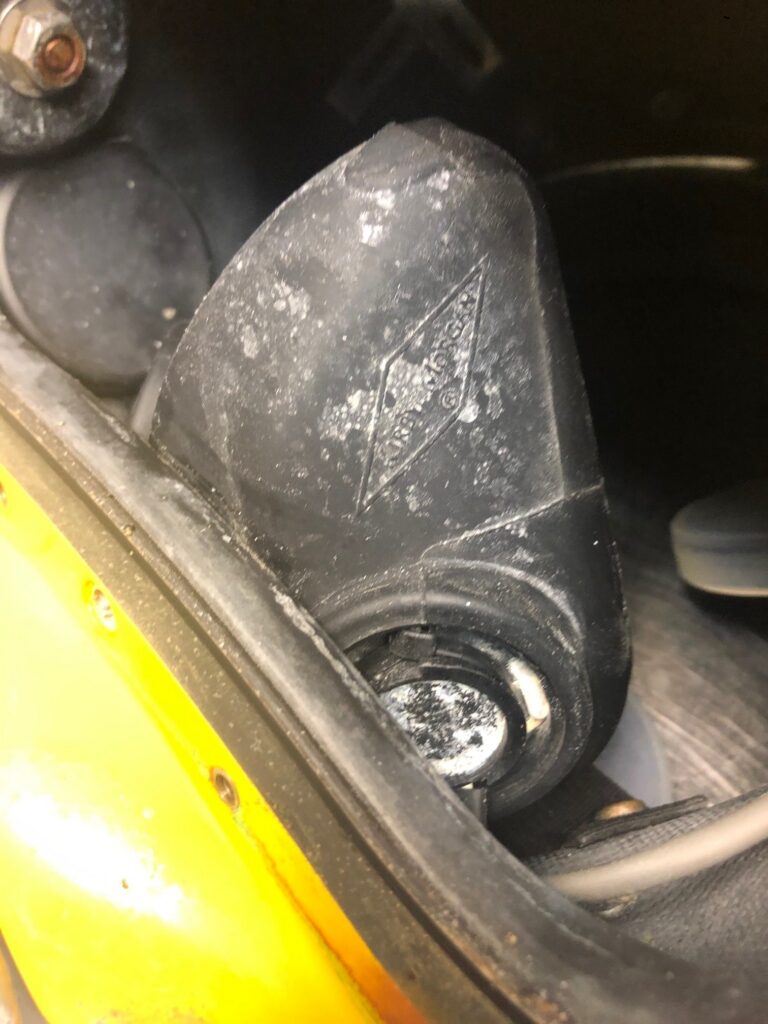
One issue we continue to see with many helmets is dirt, mildew, and mold buildup inside the hat. We have spoken with divers who were getting sick, and in some cases, contamination inside areas such as the oral nasal likely contributed to the problem.
Mold and mildew thrive in warm, damp environments, which makes a diving helmet an ideal place for growth if it is not cleaned properly.
What can you do?
A few simple steps can make a big difference:
- Introduce a regular cleaning policy
- Use cleaning solutions such as SaniZide or Steramine
- Avoid using products like Listerine, since the sugar content can promote mold and bacteria growth
- Make sure the hat is field stripped for cleaning
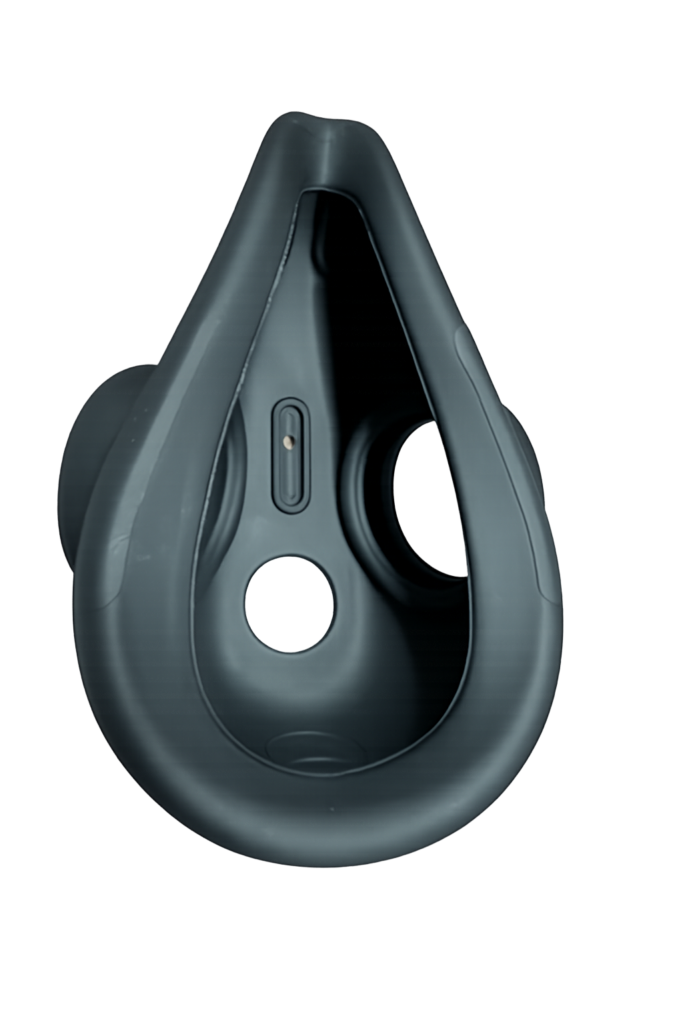
- Clean components such as the oral nasal and diaphragm daily
The good news is that this process should take no more than about 15 minutes a day, and that small investment of time can help prevent bigger issues later.
Poor Air Flow in Hoses
Another common issue we see is poor air flow in deck whips and umbilicals. The cause can range from hose degradation to debris or even critters taking up residence inside the hose. Spider egg sacs, for example, are something we see more often than you might expect.
As part of our testing process, we perform a flow rate test on hoses so we can identify whether there has been a meaningful change in discharge.
How can you help prevent air flow issues?
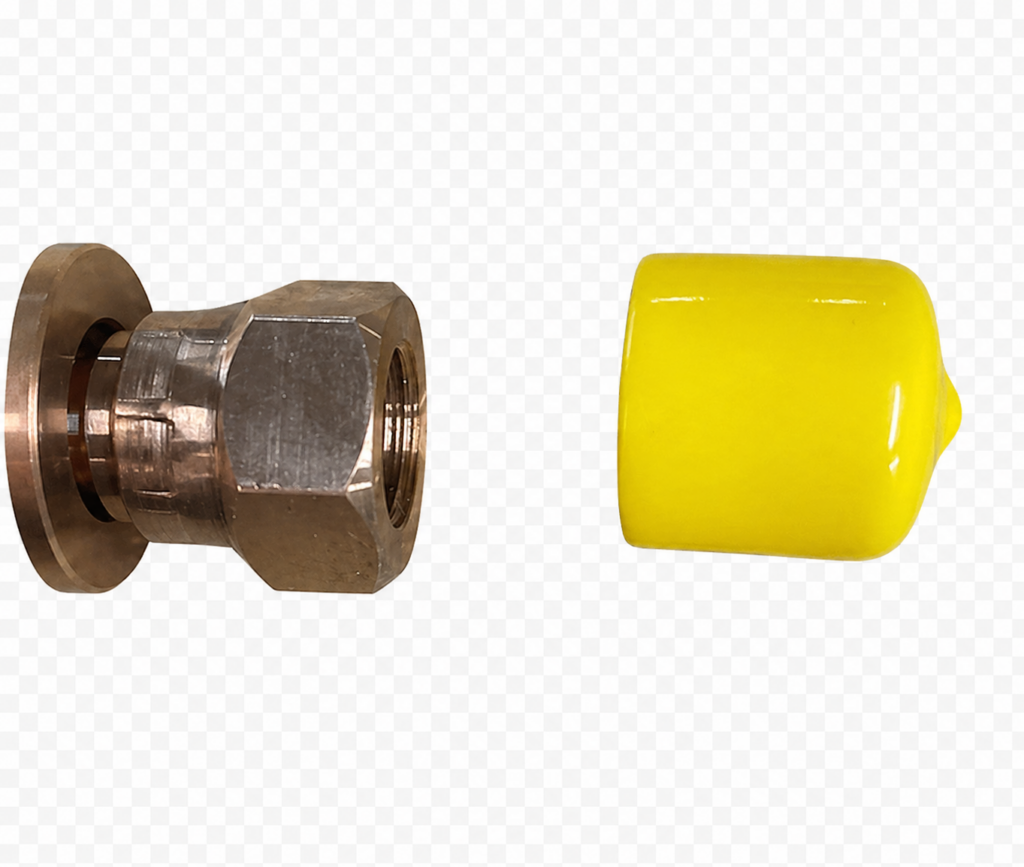
- Cap your hoses when they are not in use
- Perform flow testing from time to time and record both pressure and flow rate
- Compare new readings to past test results to help identify internal issues before they become major problems
Unless you have X-ray vision, it is tough to know what is happening inside a hose without testing it.
If you do notice a drop in outflow, one option is to pump a soap and water solution through the hose. We have found that Dawn works well. After cleaning, rinse thoroughly with fresh water, then re-test the discharge rate. Be sure to document any maintenance that was performed.
Dry Suit Degradation
Dry suit repairs can become expensive in a hurry, which is why this is always a popular topic.
One of the most costly repairs on a dry suit is the zipper. Because it is a moving waterproof barrier, it takes a lot of abuse. Replacing one is often expensive because the old zipper has to be removed and a new one installed, which can be challenging depending on the suit design, zipper location, and adhesive requirements.
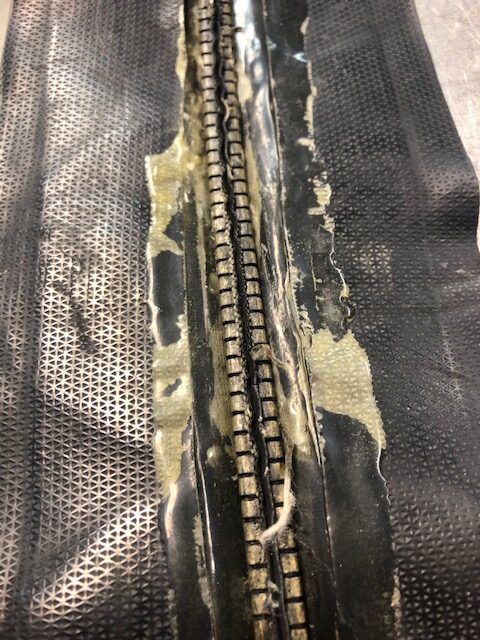
How do you keep a dry suit in service longer?
Here are a few suggestions:
- When cleaning the suit, make sure all cleaning solutions are fully rinsed off
- Hang the suit to dry completely before storing it, preferably inverted
- Avoid allowing chemicals to sit in the folds of the suit, as this can contribute to material breakdown and delamination
We often see suits come in with visible “stripes” of delaminating material. In many cases, that happens because chemicals were left to sit in the folds while the suit was stored.
Another common issue is the breakdown of latex seals. More people are using personal care products that can negatively affect latex, and some products appear to almost “melt” the material.
How can you reduce latex seal damage?
- Avoid using personal care products before diving
- Use unscented talc inside latex neck and wrist seals
A small bag of talc can go a long way in helping prevent costly seal repairs.
And finally, take care of the zipper.
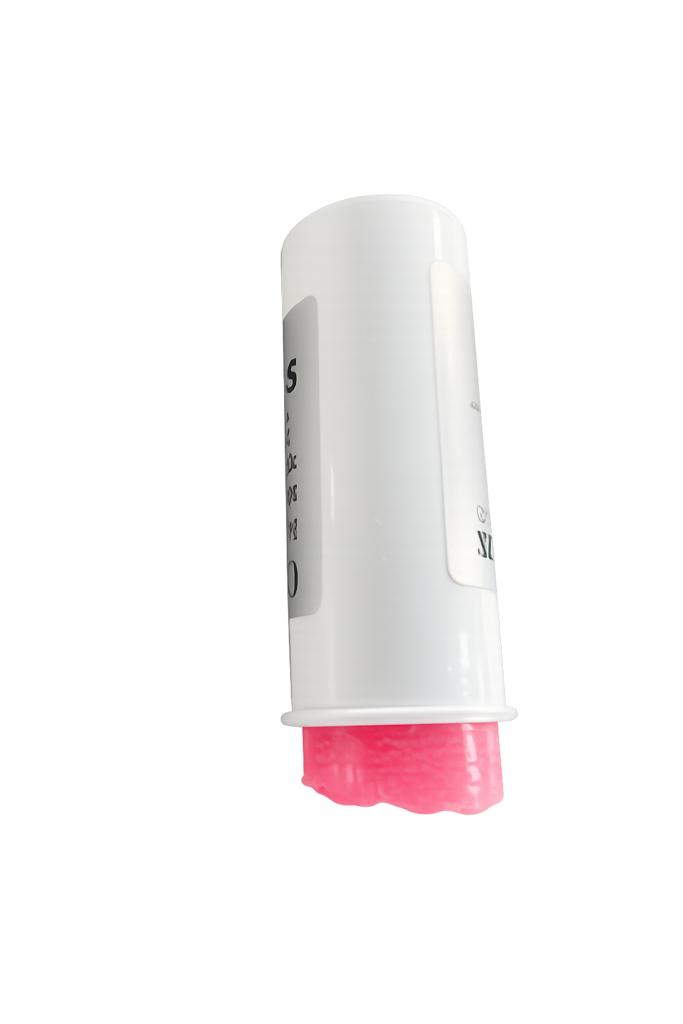
The best way to avoid the cost of zipper replacement is to keep it properly lubricated. A simple beeswax stick works well. It only takes a few seconds to run it up and down the zipper, and regular application can help the zipper last for years. It also makes life easier for the tender, who will appreciate not having to fight with a stubborn zipper.
A Little Maintenance Goes a Long Way
A few consistent maintenance habits can make a real difference in the life of your equipment. Cleaner helmets, protected hoses, and properly cared-for dry suits can help reduce downtime, avoid unnecessary repairs, and save money over the long term.
We hope these tips help you keep your gear in top condition and your repair costs under control.
As always, dive safe.
For questions about commercial diving equipment maintenance or repair, email Chris at [email protected].